Programs
Core learning programs
Building strong literacy, numeracy and learning skills
The College has invested significant professional development resources to support staff in delivering high-quality explicit teaching approaches.
English Literacy
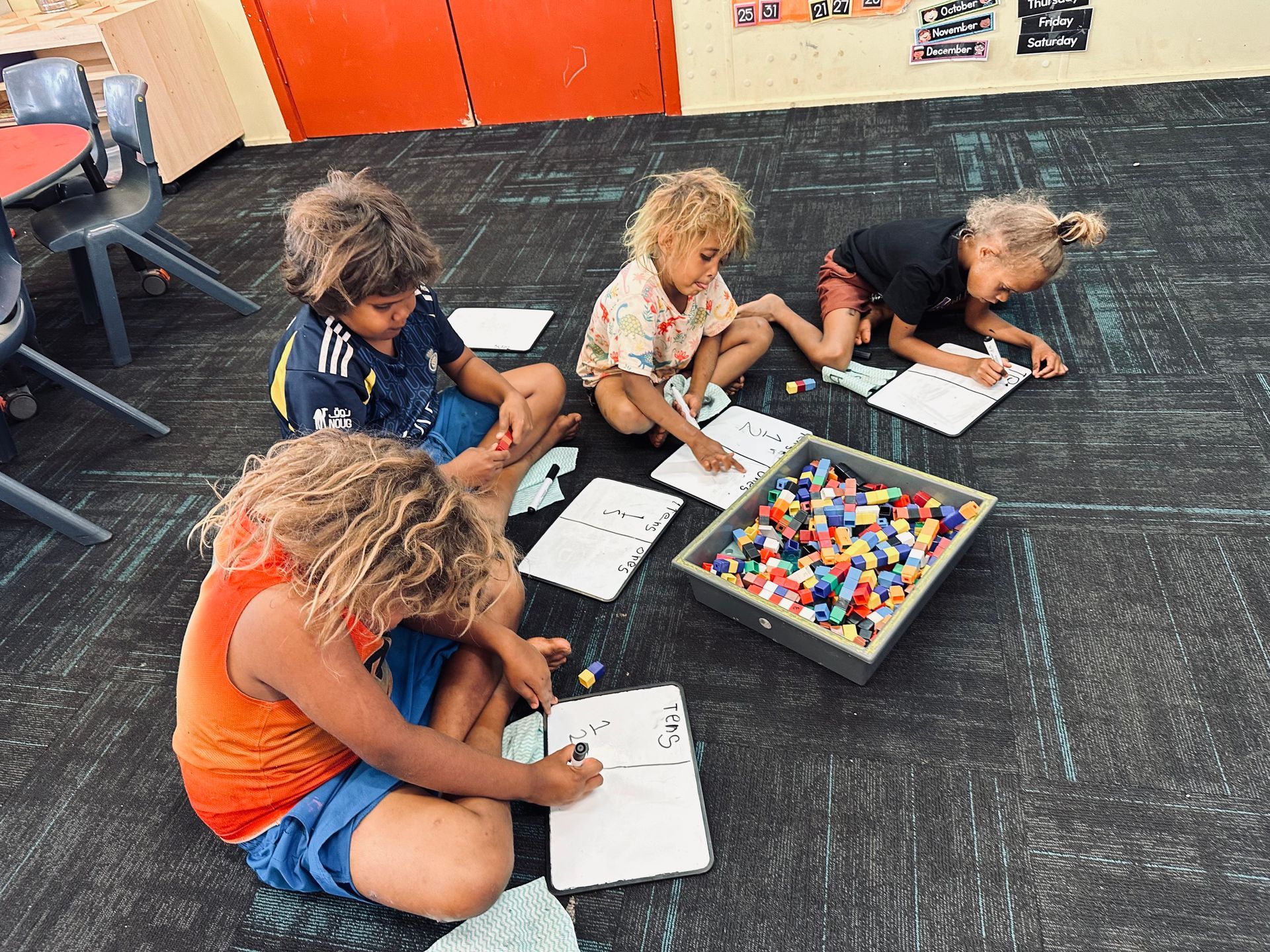
The College uses the Read Write Inc. approach to teaching English, focusing on reading, writing and spelling. The program uses structured teaching routines that progressively build proficiency and fluency in English.
Teachers adapt the program so learning activities remain age and stage appropriate for students.
Numeracy
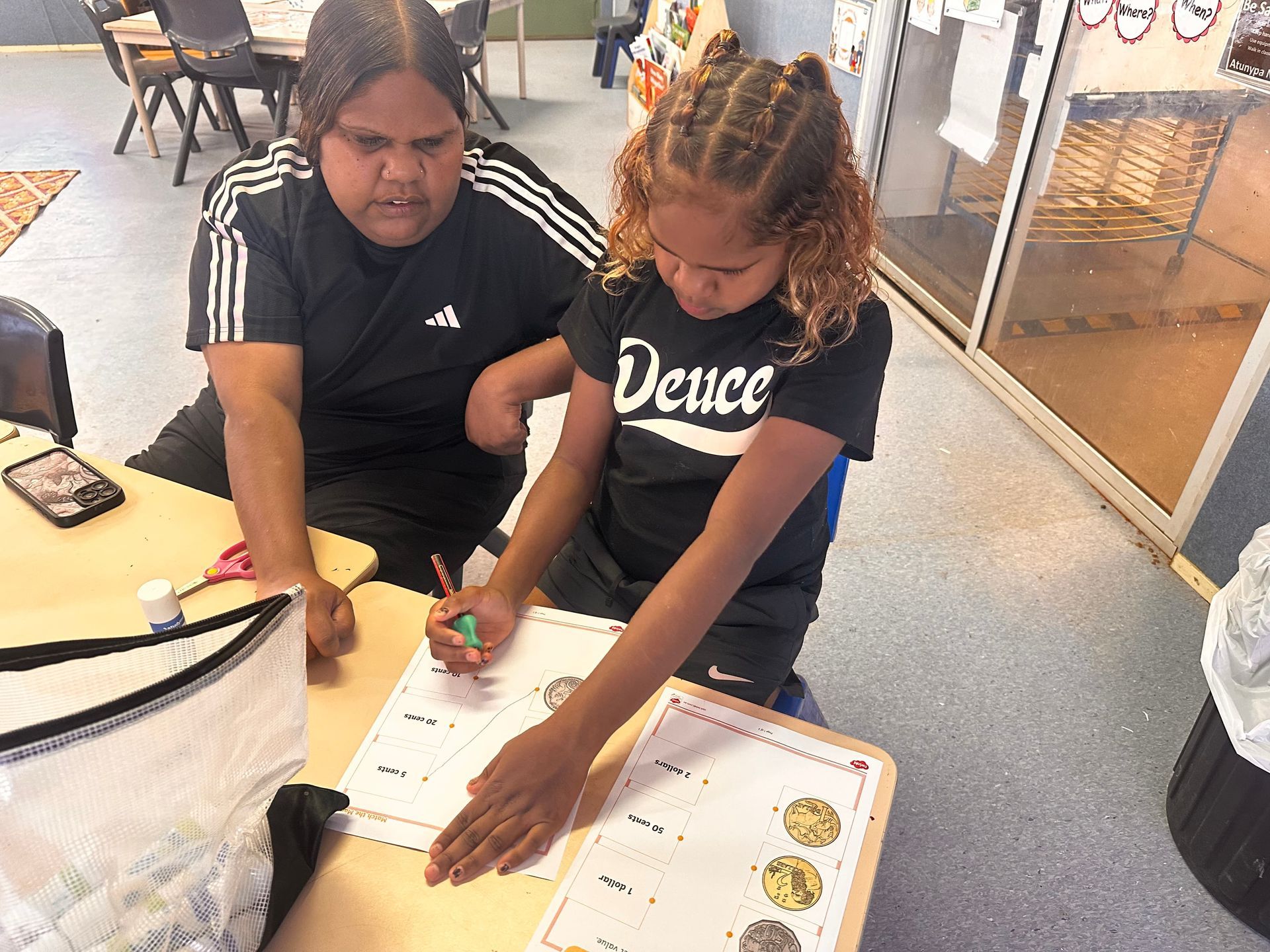
Mathematics and numeracy are taught using the Six Big Ideas of Teaching Number. This approach incorporates explicit teaching strategies that use concrete, representational and abstract learning models to build strong understanding.
Key Learning Areas and General Capabilities
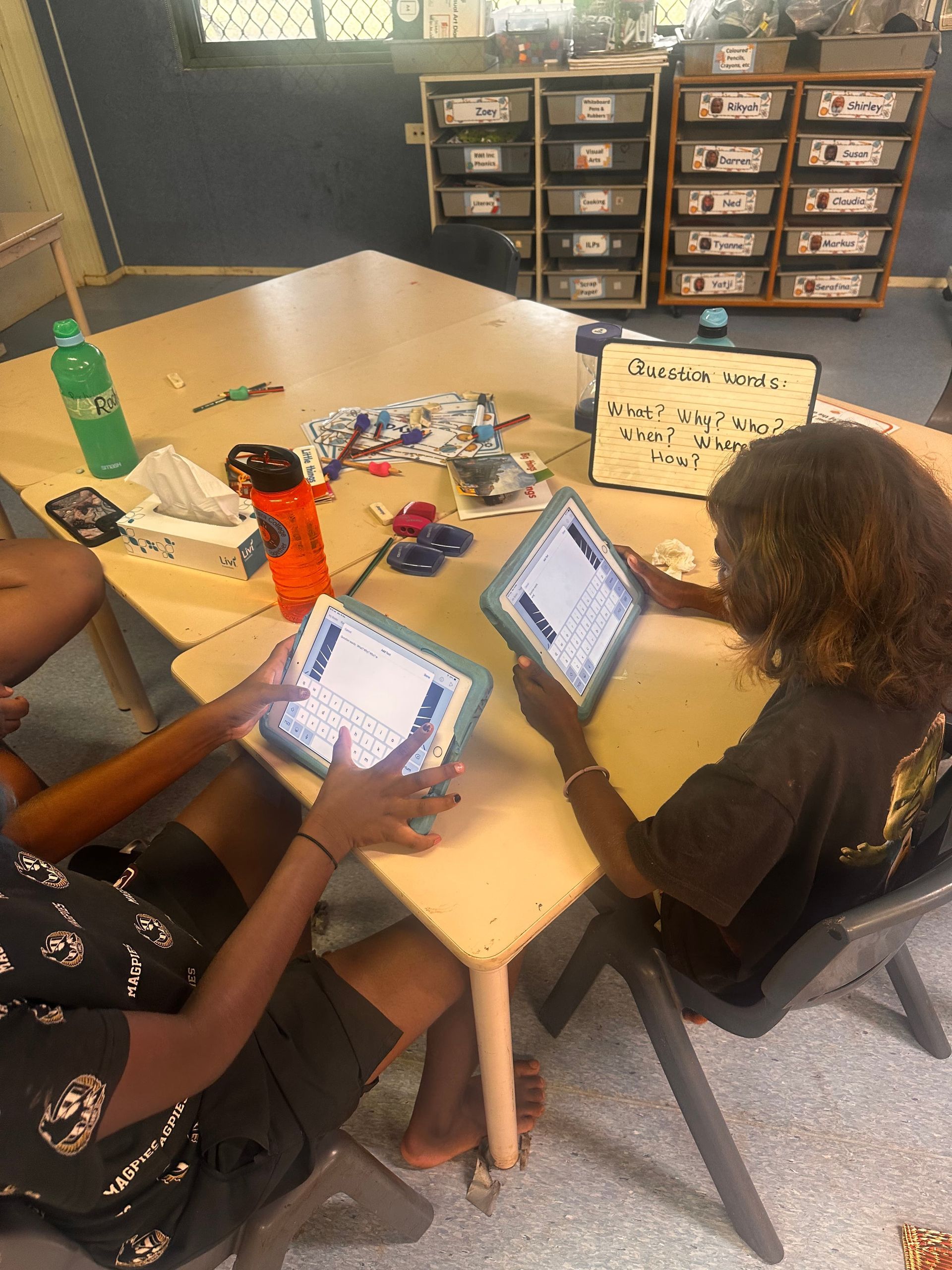
Teachers incorporate additional Key Learning Areas such as HASS, Health and Physical Education, and The Arts within normal classroom delivery.
STEM education is often delivered through integrated themes and topics that combine multiple learning areas and general capabilities.
Alternative Programs
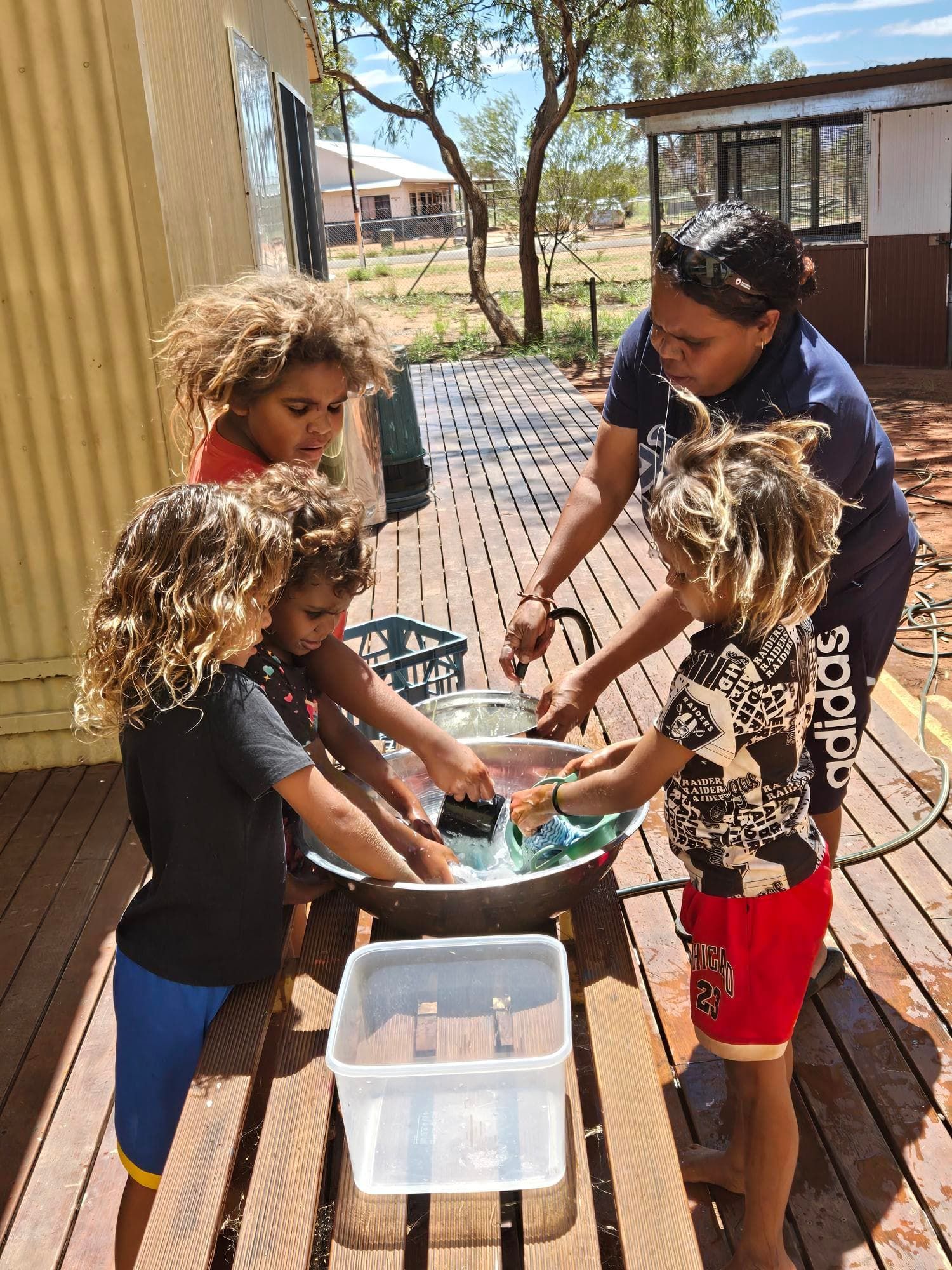
Hands-on learning that connects with students’ interests and culture.
The College’s Alternative Programs provide a range of secondary learning experiences that are practical, engaging and grounded in General Capabilities and Cross Curriculum Priorities.
On Country Learning
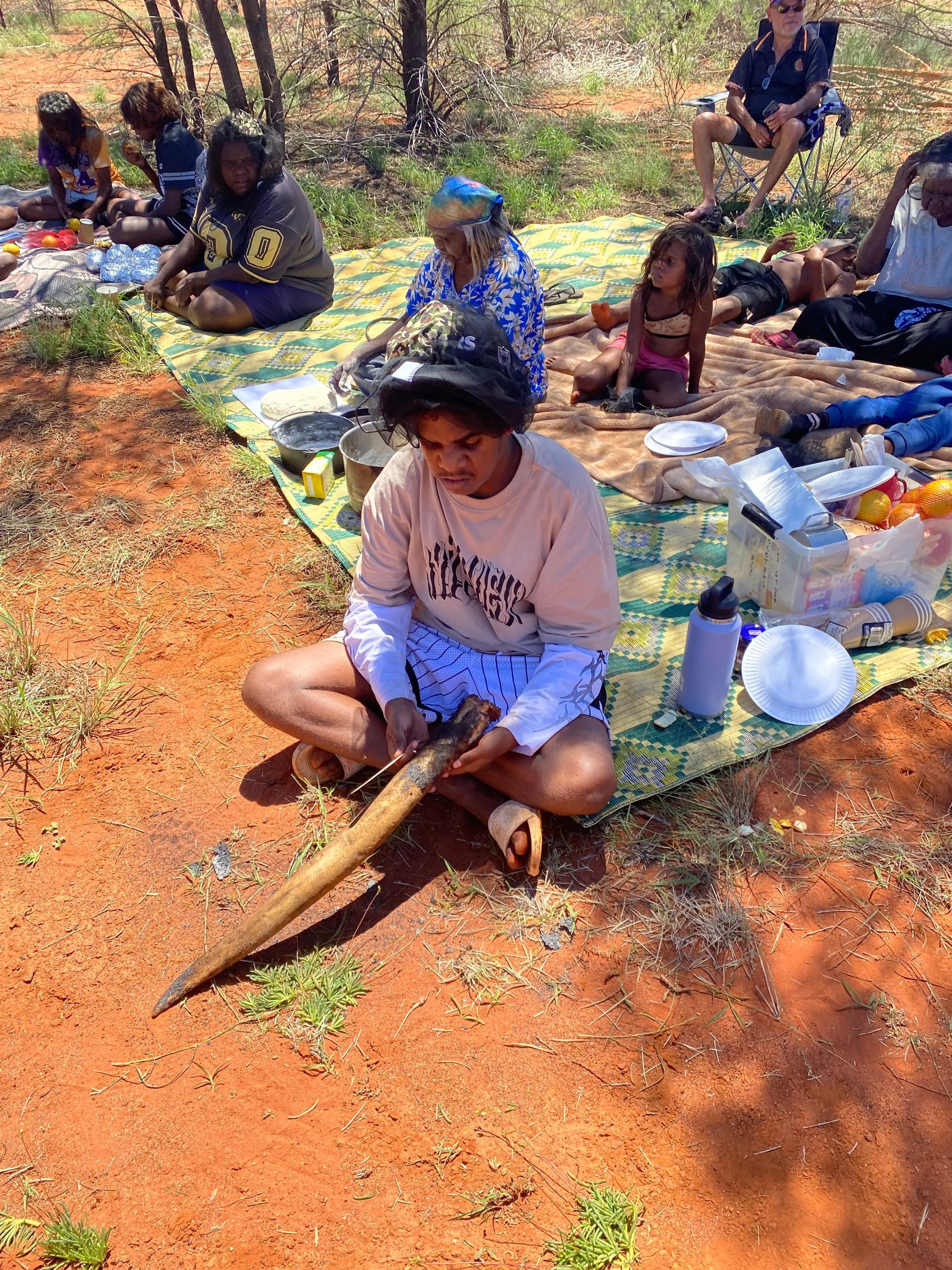
On Country programs include Homeland visits, Ranger surveys, hiking and bushwalking.
These programs focus on strengthening cultural knowledge through learning about Bush Tucker, Bush Medicine, Bush Crafts, Tjukurpa, Inma and storytelling. Elders and Rangers play an important role as cultural instructors in these activities.
Driver Education
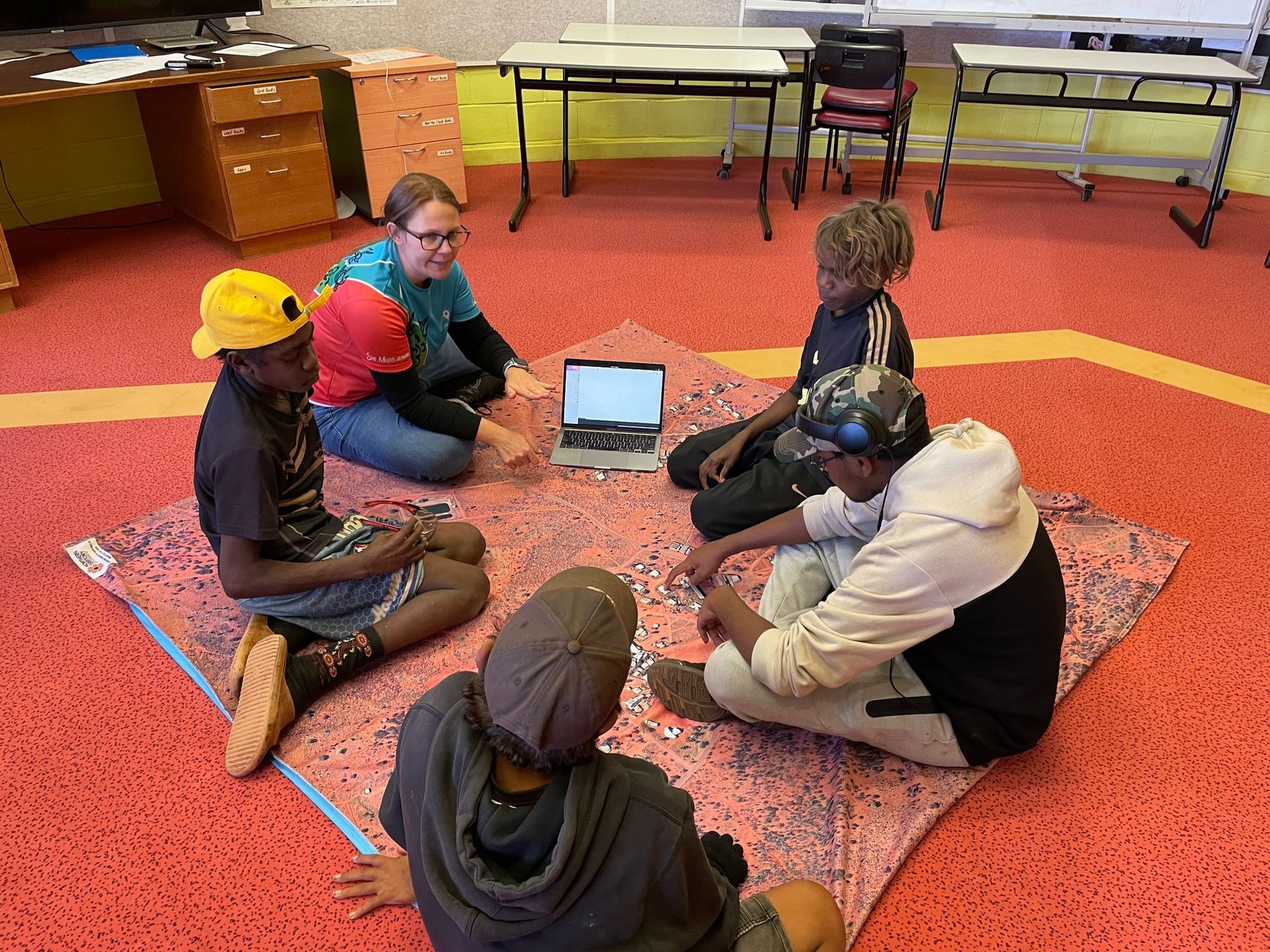
In partnership with the Indigenous Road Safety Academy, the College secured a Federal Government grant to purchase two driver training vehicles.
This program allows Anangu students to gain their driver’s licence while learning road rules and safety protocols in their first language.
Music Program
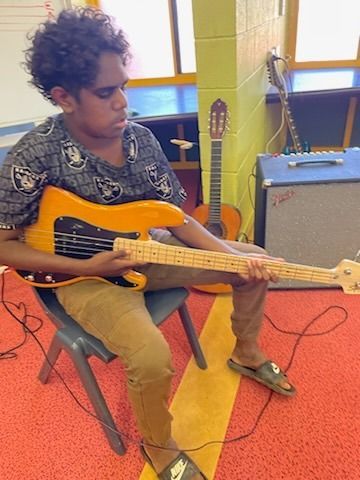
The Yulara Secondary Campus works with leading Australian musicians including Graham “Buzz” Bistrup and Dr Shellie Morris AO, along with other talented musicians such as the Mutitjulu Band.
Students learn instruments, compose and perform original songs, and create recordings that can be shared through video, social media and radio productions.
Our Partnerships
Working together to create stronger learning opportunities
The College has formed a City Country Partnership supported by the Yadha Muru Foundation, which administers funding from the Federal Government.
This partnership builds relationships between two colleges through immersive experiences, including one-week exchange visits where students and staff spend time learning on site at each partner school.


